
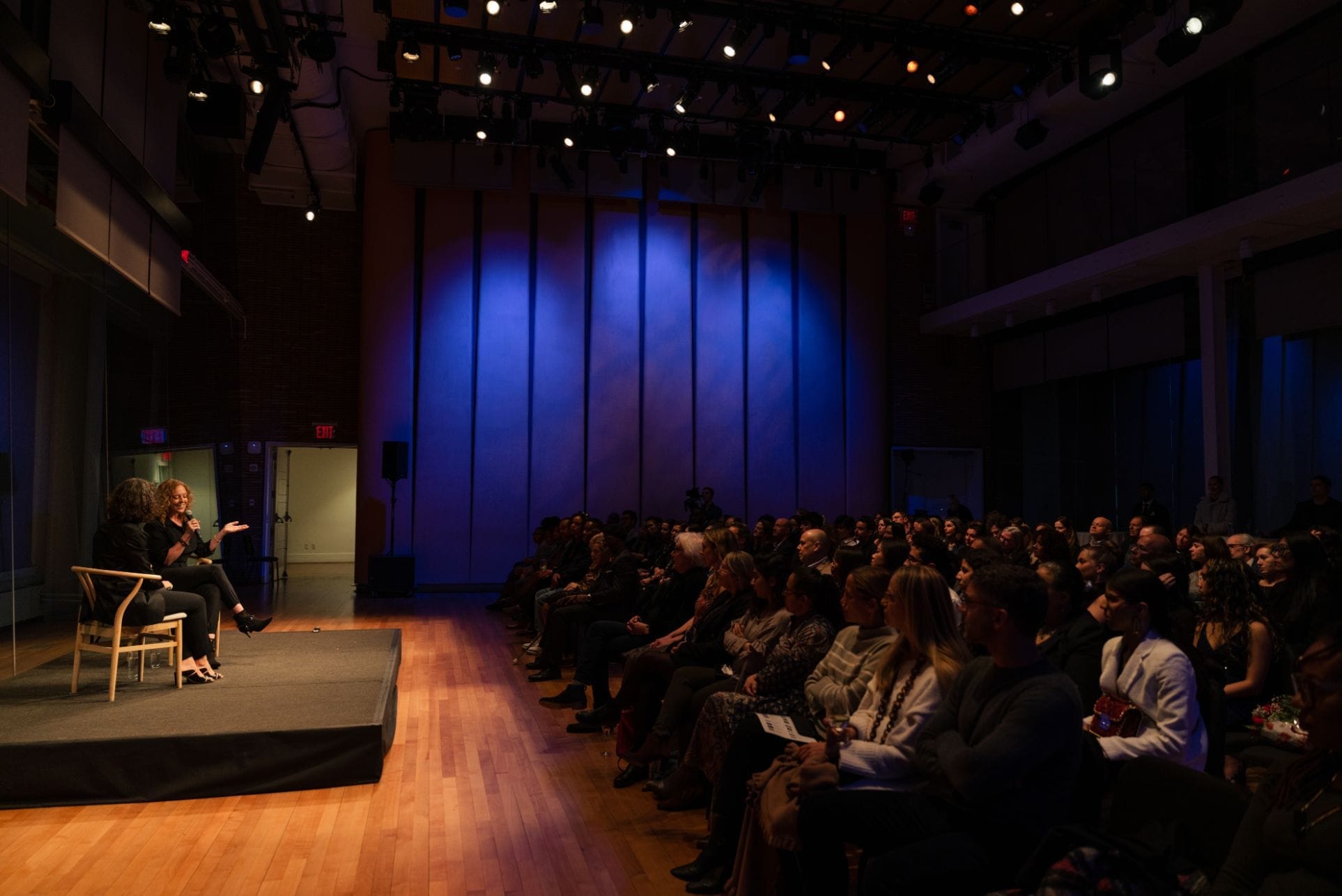


Human beings understand the world through stories. Long before the written word, stories were used to pass knowledge between generations, preserve traditions and strengthen communities. Today, despite rapid technological change, storytelling remains one of the most powerful ways to create understanding and connection.
In a world that often feels fragmented and fast-moving, cultural storytelling provides an opportunity to slow down and engage with different perspectives. Through theatre, music, art, film and shared experiences, stories help people understand lives and experiences beyond their own.
Cultural storytelling is particularly important because it preserves identity while encouraging dialogue. It allows communities to celebrate traditions, values and histories while sharing them with wider audiences. In doing so, it creates bridges rather than barriers.
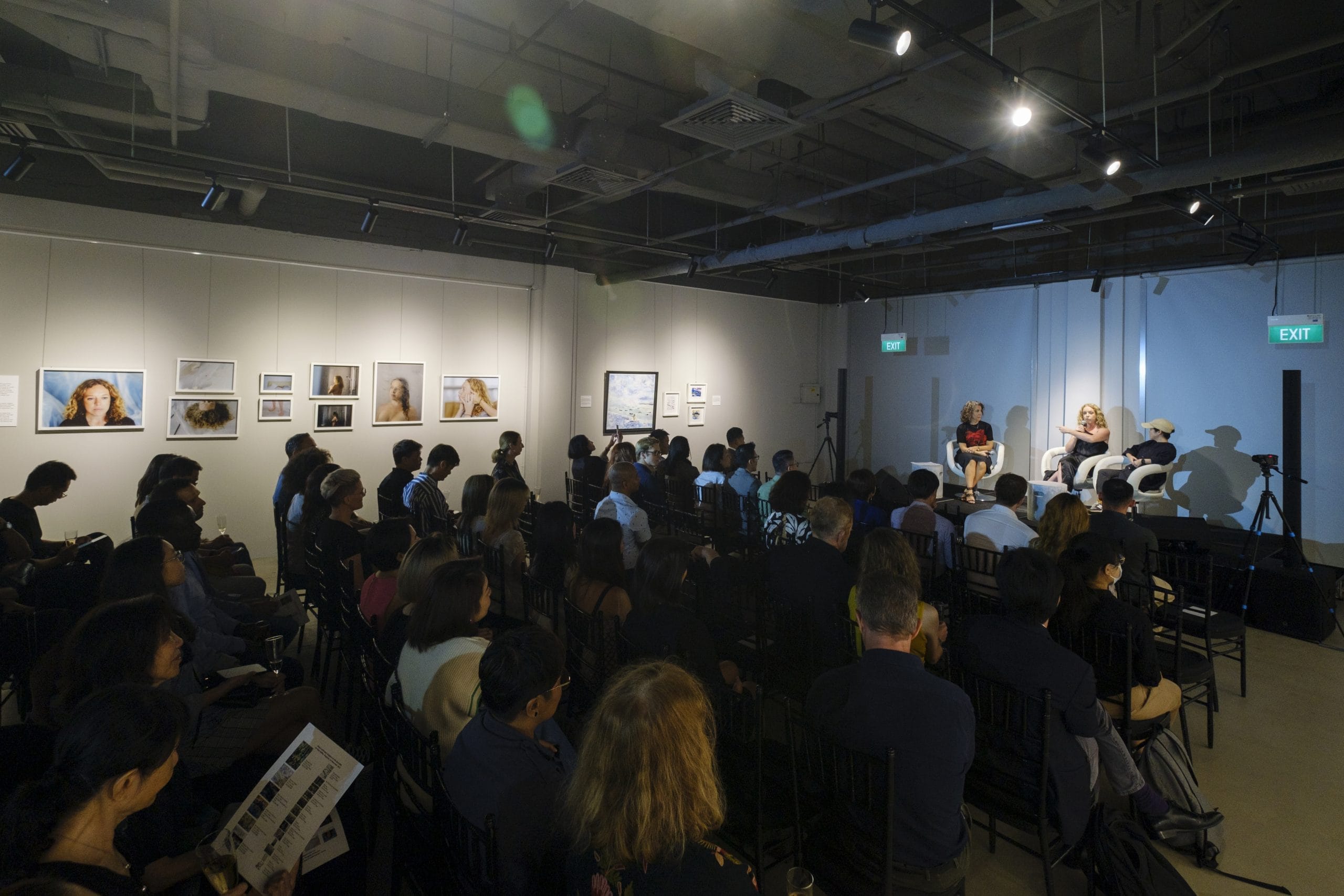
The arts play a vital role in this process. Theatre productions, exhibitions and immersive experiences provide spaces where audiences can encounter new ideas in engaging and emotionally resonant ways. Rather than presenting information alone, they create experiences that encourage empathy and reflection.
At House of Sisters Grimm, cultural storytelling sits at the centre of everything. Whether through the music of INALA, the narratives behind South African wines or the journeys captured in artwork, each experience is designed to create meaningful connections.
This approach reflects a growing demand among audiences. Increasingly, people are looking for experiences that feel authentic and memorable. They want to engage with stories that have depth and significance rather than simply consuming content.
Storytelling also has the power to bring people together. Shared experiences create common ground, helping individuals from different backgrounds discover points of connection. In a multicultural city such as London, this ability to foster understanding is particularly valuable.
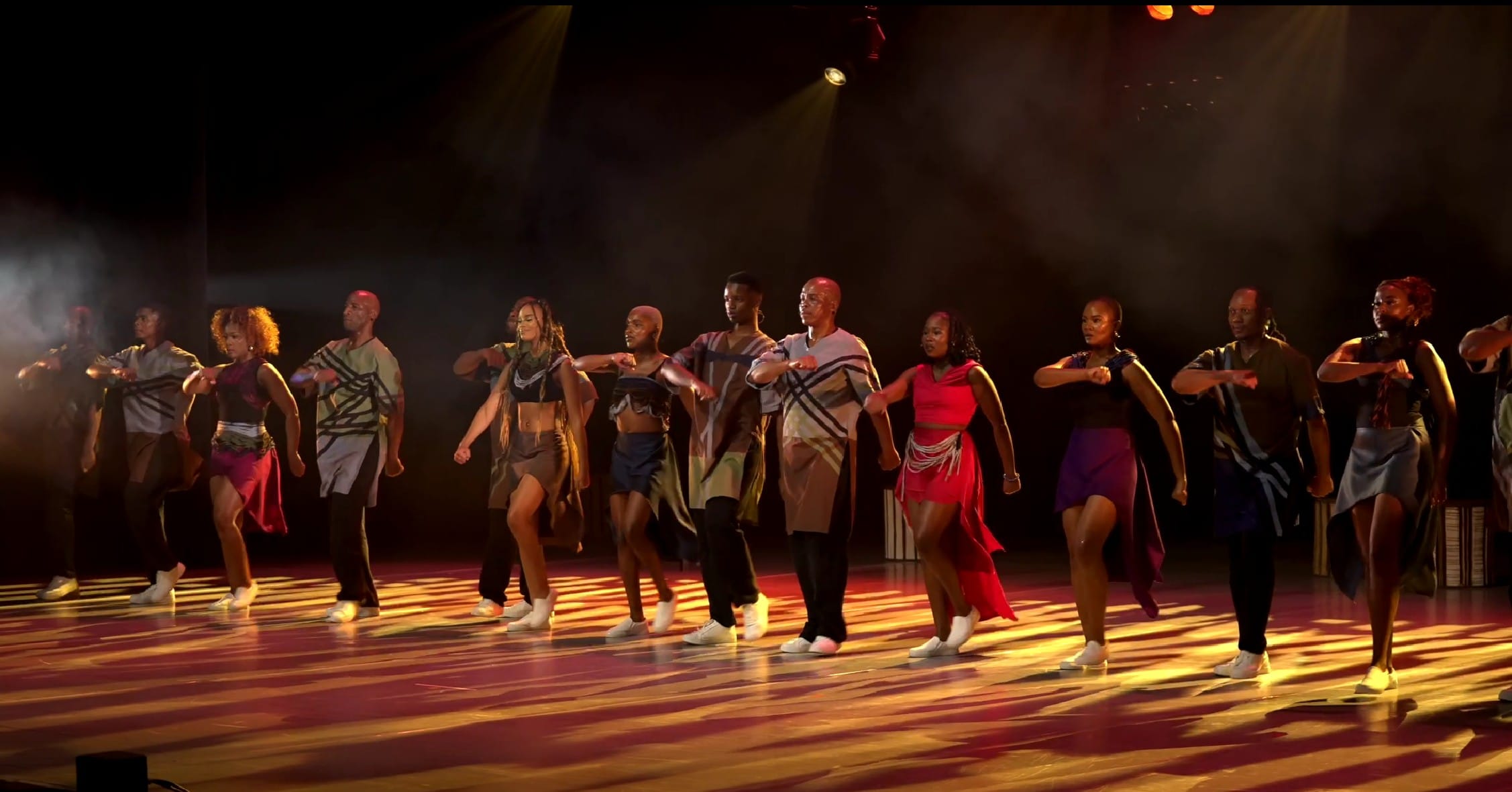
Importantly, cultural storytelling is not about looking backwards. While it often draws upon history and tradition, it also provides a framework for exploring contemporary issues and future possibilities. It helps societies make sense of change while remaining connected to their roots.
The rise of immersive experiences reflects this evolution. Audiences increasingly want to participate in stories rather than simply observe them. By combining multiple art forms, creators can build environments that feel more engaging and impactful.
Ultimately, cultural storytelling matters because it reminds us of our shared humanity. While cultures may differ, many of the emotions and experiences explored through stories are universal. Love, loss, hope, belonging and resilience resonate across borders and generations.
In an increasingly interconnected world, the ability to understand one another has never been more important. Cultural storytelling remains one of the most effective and inspiring ways to achieve that understanding.