



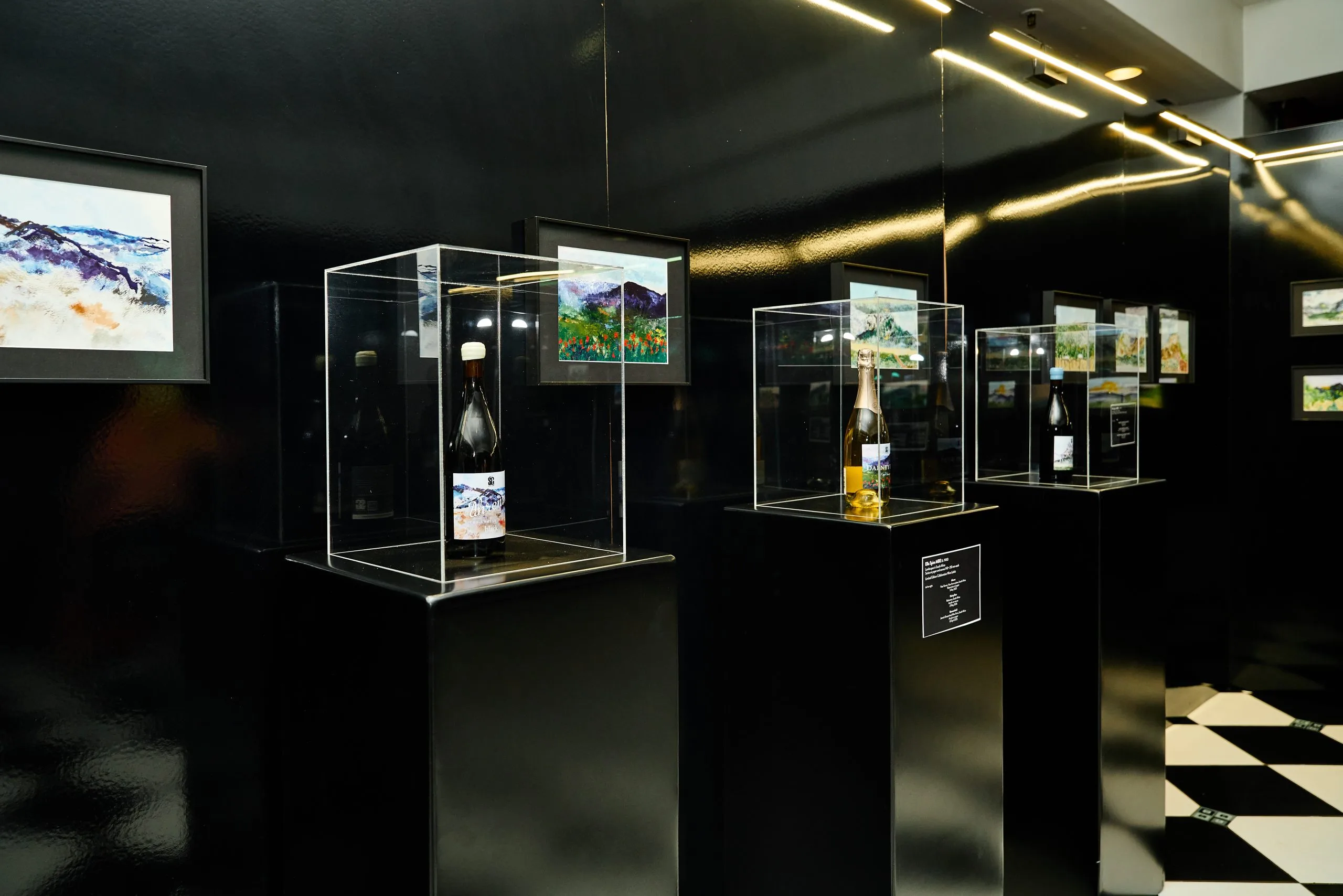


Most wine tastings follow a familiar format. Guests are presented with a selection of wines, guided through tasting notes and encouraged to discuss flavours and aromas. Sensory Notes takes a different approach.
Created by House of Sisters Grimm, Sensory Notes reimagines wine tasting as a multi-sensory cultural experience. Combining art, music, film, and storytelling, it invites guests to engage with wine through emotion, memory, and place rather than through technical terminology alone.
The experience begins with art. Guests are introduced to original works created by Ella Spira, many of which were painted in situ during journeys across South Africa. Through narration and music, visitors gain insight into the landscapes, people and experiences that inspired the work.
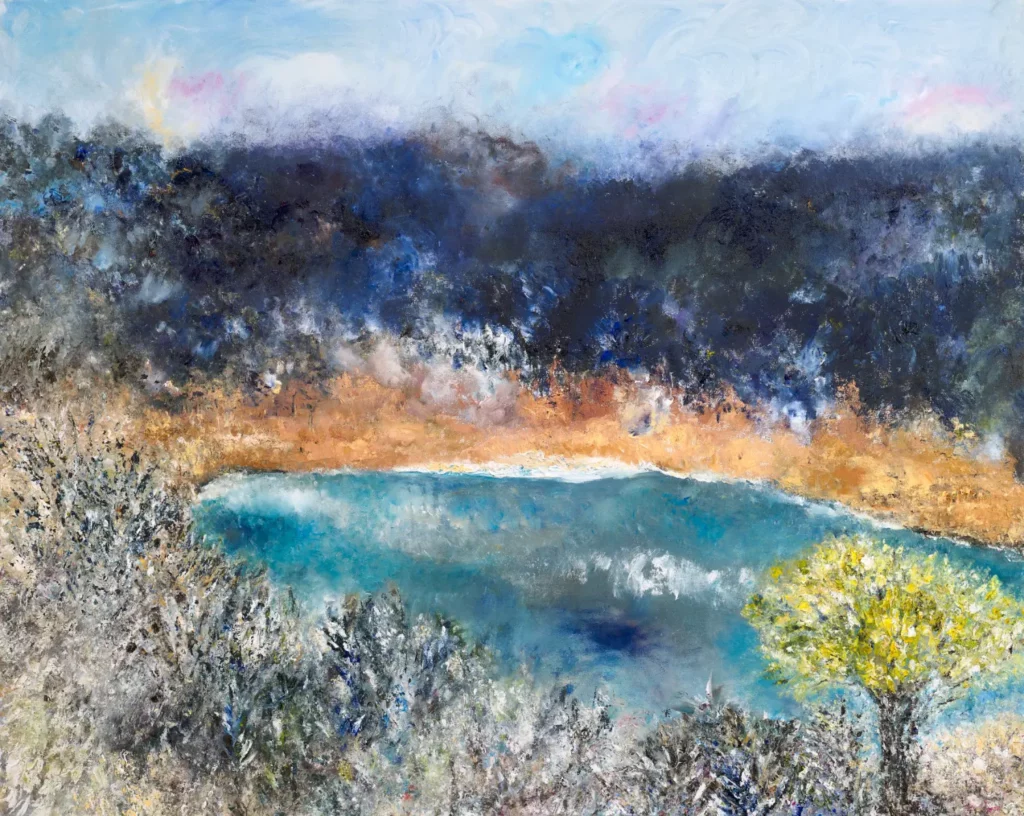
These stories provide context for the wines that follow. Rather than presenting bottles in isolation, Sensory Notes explores the connections between geography, culture and creativity. Guests learn not only what they are tasting but why those wines matter.
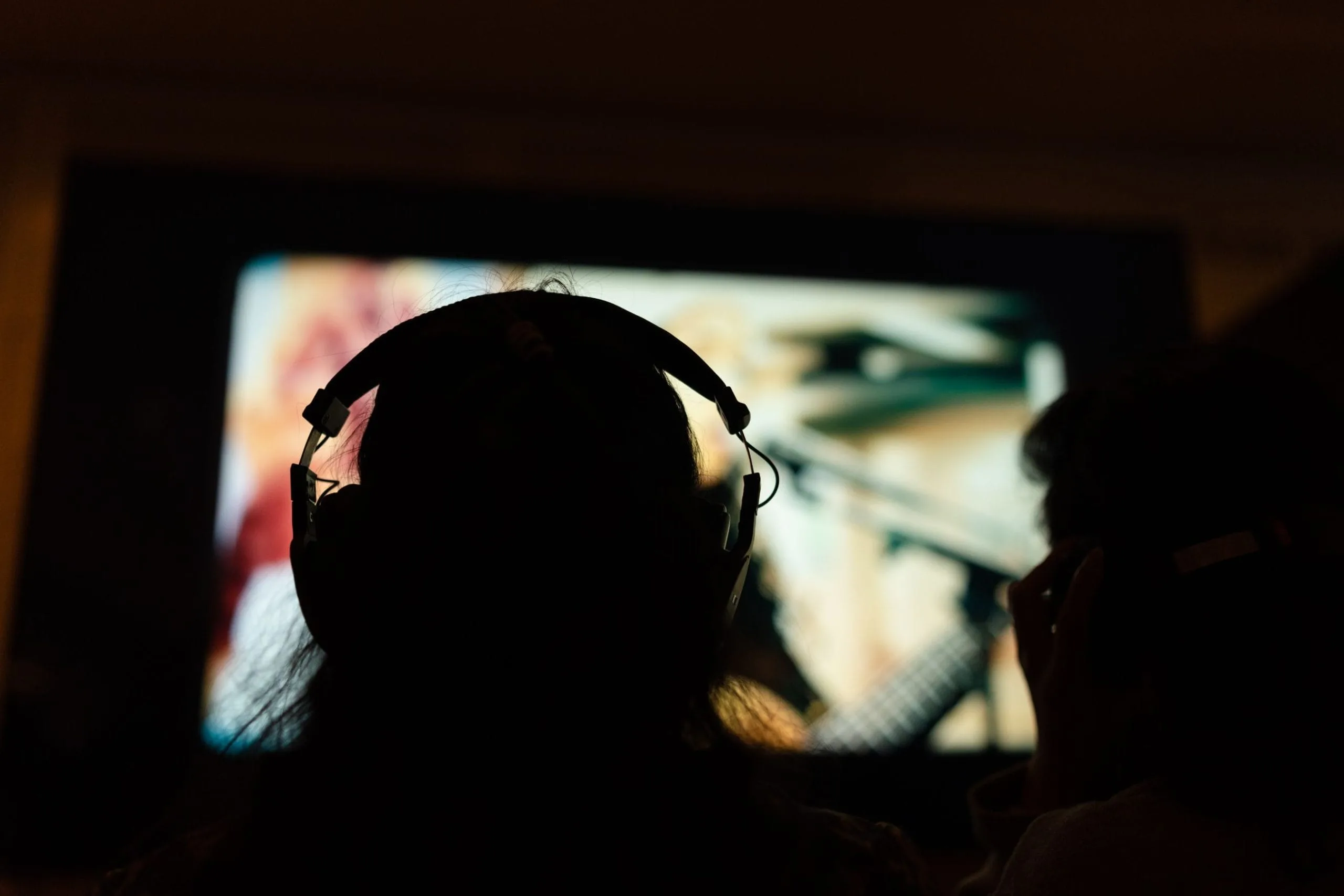
Film plays an important role in the experience. Cinematic footage from South Africa helps bring vineyards, landscapes and communities to life. The result is a stronger emotional connection between the guest and the places represented in the glass.
Music further enhances this connection. Original compositions create atmosphere and encourage reflection, helping visitors slow down and fully engage with the experience. This integration of sensory elements distinguishes Sensory Notes from traditional tastings.
Importantly, the experience has been designed to be welcoming. Many people find wine intimidating because they feel they lack knowledge or expertise. Sensory Notes removes that pressure. Guests are not expected to understand technical language or identify obscure tasting notes.
Instead, they are encouraged to listen, observe and respond to what they experience. This makes the event accessible to complete beginners while remaining engaging for experienced wine enthusiasts.
The choice of wines is equally important. Carefully selected South African bottles showcase the diversity and quality of the country’s wine industry. Each wine contributes to a wider narrative about place, craftsmanship and cultural identity.
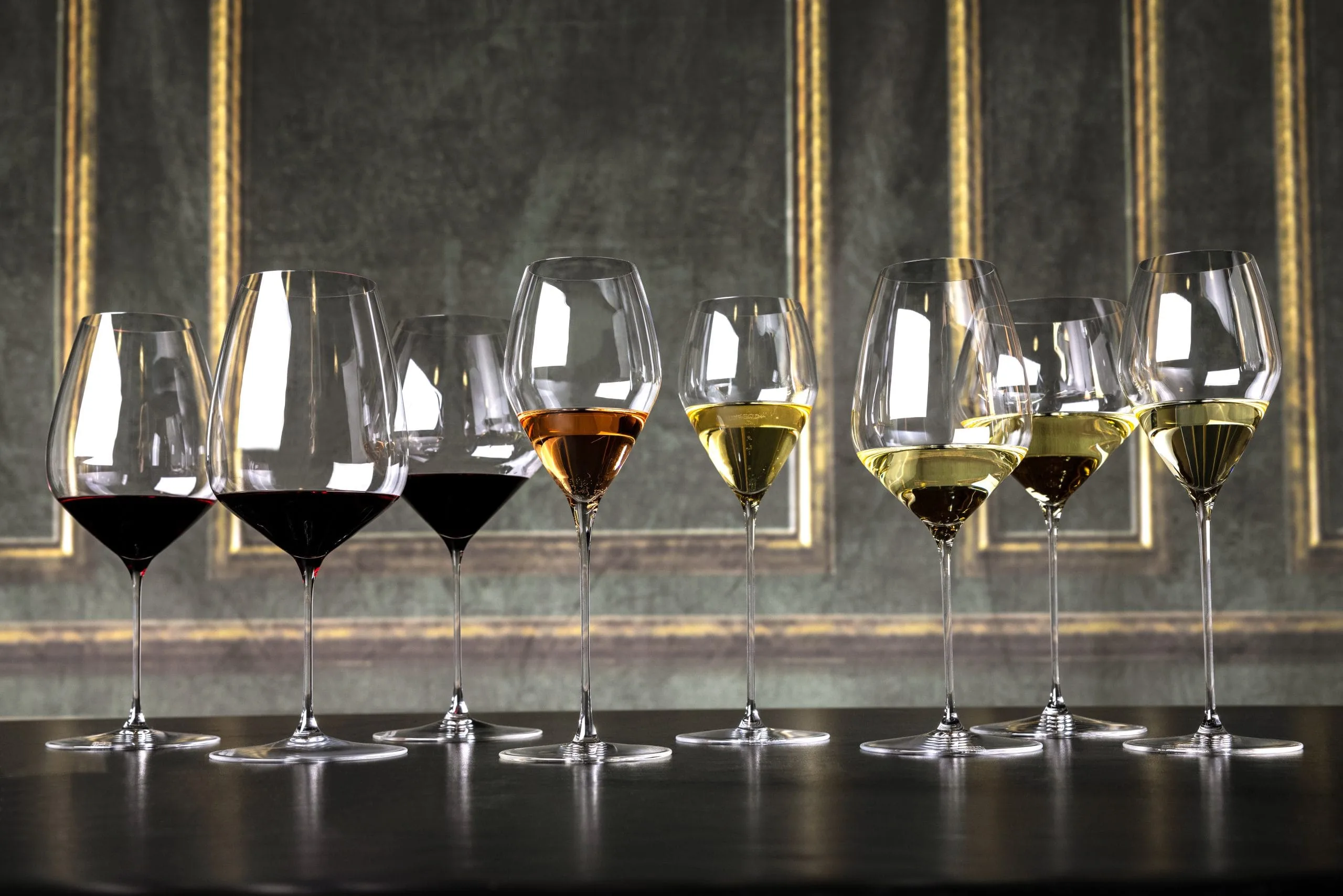
Following the tasting, guests can continue their journey at iGOLI, House of Sisters Grimm’s South African wine bar. Here, they can explore additional wines and deepen their understanding of the stories shared during the experience.
Sensory Notes reflects a broader trend within hospitality and cultural experiences. Modern audiences increasingly seek meaningful engagement rather than passive consumption. They want experiences that combine education, entertainment and emotional connection.
By bringing together wine, art, music and storytelling, Sensory Notes responds directly to this demand. It transforms wine tasting from a technical exercise into a cultural journey.
The experience also reinforces the wider vision of House of Sisters Grimm. Rather than focusing on a single discipline, the venue brings together multiple forms of creativity. Theatre, visual art, wine and immersive experiences combine to create something distinctive within London’s cultural landscape.
Ultimately, Sensory Notes demonstrates that wine can be about far more than flavour. It can be a gateway into culture, creativity and human connection. By encouraging guests to experience wine through multiple senses, it creates lasting memories that extend well beyond the final glass.
